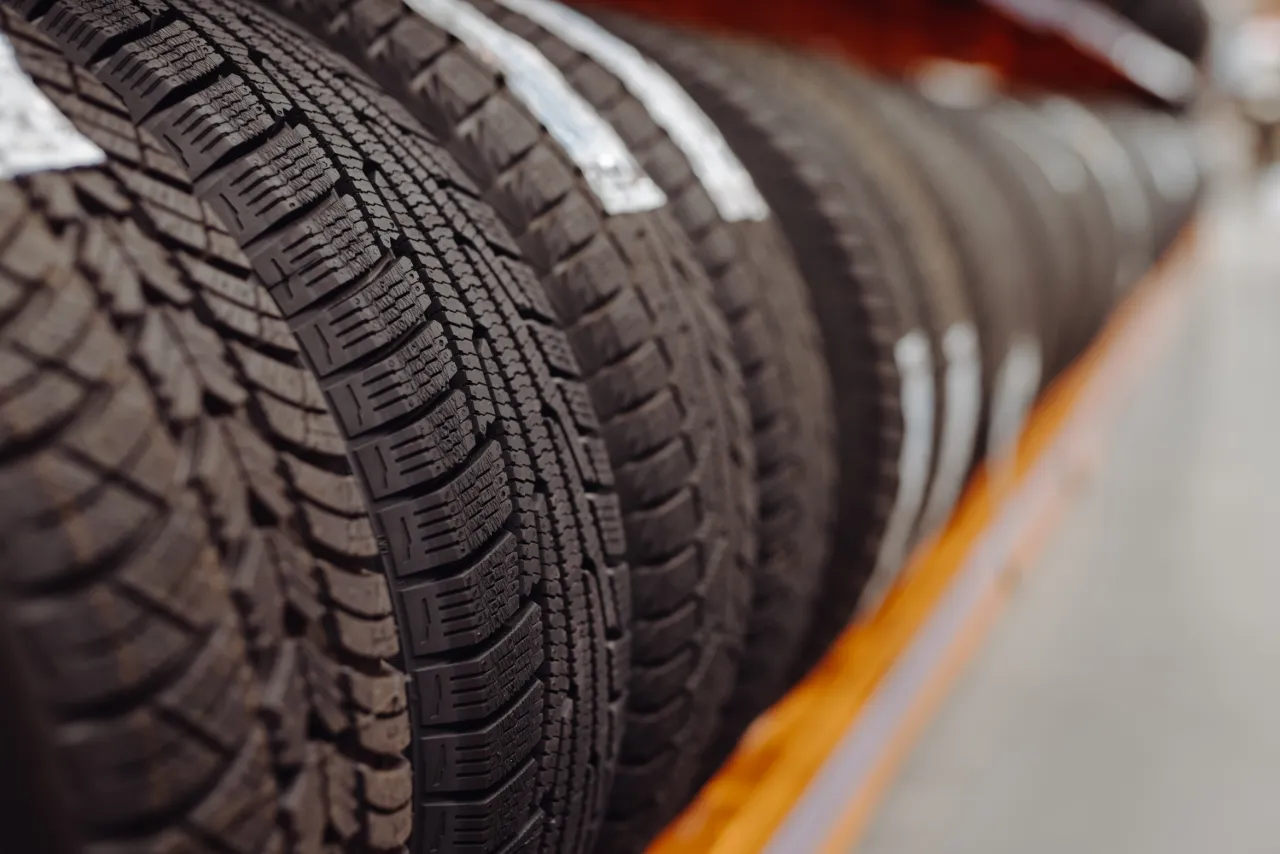
A worn or damaged tyre does not necessarily mean all four tyres need to be replaced. Depending on the condition of the other tyres and your vehicle’s requirements, you may only need to replace the affected tyre, replace a pair or change the full set.
The decision comes down to how much usable life the remaining tyres have, how closely the tyres need to match and whether fitting new tyres alongside the existing ones could affect handling or the drivetrain. Checking all four tyres, or getting a trusted mechanic to assist you, can help determine how many actually need replacing.
A full-set replacement may be necessary when all four tyres are affected by age or wear, or when your vehicle has specific requirements for closely matched tyres.
Tyres can deteriorate with age even when they still have usable tread. Over time, the rubber can harden or develop cracks, which can affect the tyre’s condition and performance.
If all four tyres were fitted around the same time and have aged together, replacing the full set may be appropriate rather than waiting for each tyre to show more obvious signs of deterioration.
If all four tyres have similar mileage, they may also reach the end of their usable tread at around the same time. In this situation, replacing the full set can avoid having tyres with substantially different levels of wear.
Uneven or excessive wear should also be assessed, as it can indicate issues such as incorrect tyre pressure, wheel alignment or suspension problems that should be addressed alongside tyre replacement.
Four-wheel drive (4WD) and all-wheel drive (AWD) vehicles rotate all four wheels rather than only the front or rear wheels. Because the wheels work together, 4WD and AWD vehicles require their tyres to remain closely matched in size, tread depth and overall circumference.
If one or two new tyres differ substantially from the tyres already fitted, this can affect how the wheels rotate relative to one another and place additional strain on drivetrain components. Depending on the vehicle manufacturer’s requirements and how worn the existing tyres are, replacing all four tyres may therefore be necessary.
Replacing only one tyre or a pair may be suitable in some situations, particularly when the other tyres still have sufficient usable life and do not also require replacement.
Replacing a single tyre may be suitable when one tyre is damaged beyond repair but the other three still have sufficient tread and are in good condition.
The new tyre should meet the specifications required for your vehicle and be compatible with the tyres already fitted. The difference in tread depth should also be considered, particularly for vehicles with specific tyre-matching requirements.
Replacing two tyres may be suitable when two tyres are worn or damaged but the other pair still has sufficient tread and remains in good condition.
The two new tyres should be appropriately matched, while the condition and tread depth of the tyres being retained should also be checked. If the remaining pair is already significantly worn or nearing replacement, changing all four tyres may be more practical.
If you are replacing only part of the set, there are also a few considerations when choosing and fitting the new tyres.
When two tyres are being replaced, the tyres with better tread are generally fitted to the rear axle. Greater grip at the rear helps the vehicle remain stable, particularly when driving on wet roads.
If the rear tyres lose grip before the front tyres, the back of the vehicle can begin to slide outwards. Deeper tread can also disperse water more effectively, helping the tyres maintain contact with the road in wet conditions.
New and existing tyres should be compatible rather than chosen based on size alone. When replacing only part of a set, check that the new tyres meet the specifications required for your vehicle and can be appropriately used alongside the tyres being retained.
Important specifications include:
Where possible, tyres fitted on the same axle should be closely matched. If the exact tyre currently fitted to your vehicle is no longer available, a tyre shop can advise you on a compatible replacement based on the required specifications.
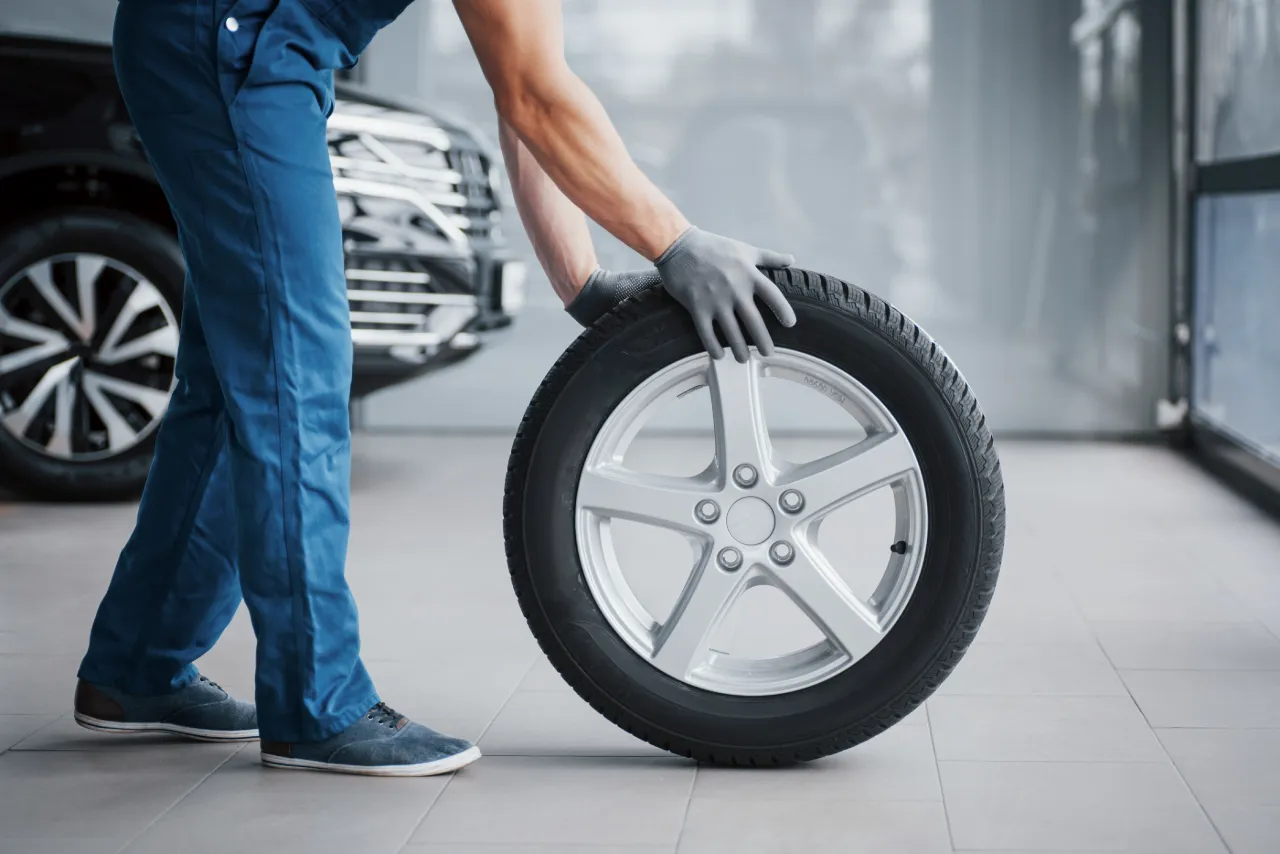
When replacing your tyres, what really matters is making sure any tyres that remain are still suitable for use and that the replacements are appropriate for your vehicle. This helps maintain safe, predictable handling while allowing your tyres and drivetrain to perform as intended.
At AL Tyres, our team can check the condition of your existing tyres and recommend a suitable replacement approach based on your vehicle's requirements. If your tyres are worn, damaged or due for replacement, contact us for advice on the right tyres for your vehicle.
For reliable tyre solutions, trust AL Tyres' industry experience, reliable customer service, and commitment to quality. We stock a wide range of premium Blackhawk tyres, each one safety-checked and performance-tested for all conditions. Our experienced team handles every fitting with precision, ensuring you get the best from your tyres, every time.
With five megastores across Singapore, we’re ready to meet your needs wherever you are. Have questions? Reach out at 8418 1000 or fill out our online form for assistance.
Conquer the roads with total control!


Brought to you by:

HQ - Paya Lebar
 |
150C Paya Lebar Road Singapore 409052 |
 |
Tel: (65) 8418 1000 |
 |
Opens on Mon to Sun – 9am to 1am |
Woodlands
|
39 Woodlands Close MEGA@WOODLANDS #01-01/02/03/04, Singapore 737856 |
|
Tel: (65) 8418 6000 |
|
Opens on Mon to Sun – 9am to 8pm |
Jurong East
|
32 Old Toh Tuck Road Ibiz Center #01-05/06/07/08, Singapore 597658 |
|
Tel: (65) 8418 5000 |
|
Opens on Mon to Sun – 9am to 8pm |
Bukit Merah
|
Block 1009 Bukit Merah Lane 3, #01-88 Singapore 159723 |
|
Tel: (65) 8418 4000 |
|
Opens on Mon to Sun – 9am to 8pm |
Serangoon North
|
50 Serangoon North Avenue 4 #01-03/04/05, First Centre Singapore 555856 |
|
Tel: (65) 8588 2000 |
|
Opens on Mon to Sun – 9am to 8pm |
AL Tyres Online
Chat with us

